

Cantilever Rollers, Roller Guides, and Trolley Assemblies: What Each One Does and When to Use It
Cantilever rollers, roller guides, and trolley assemblies are all key parts of sliding gate systems, but each one plays a completely different role. They are not interchangeable, and installing the wrong component, or leaving one out, will lead to tracking issues, premature wear, and an unreliable gate. Choosing the right hardware for your setup from the start keeps the gate running smoothly and protects your investment long term.
What Are Cantilever Rollers?
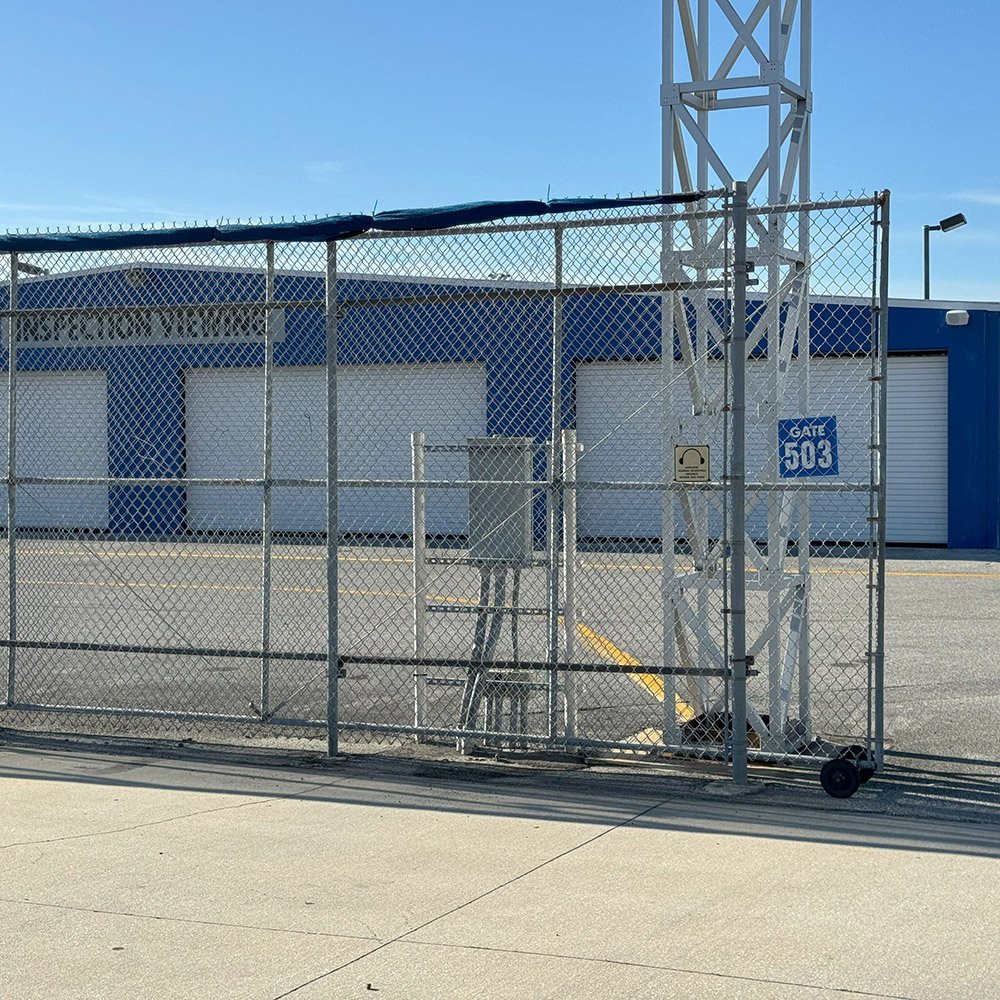
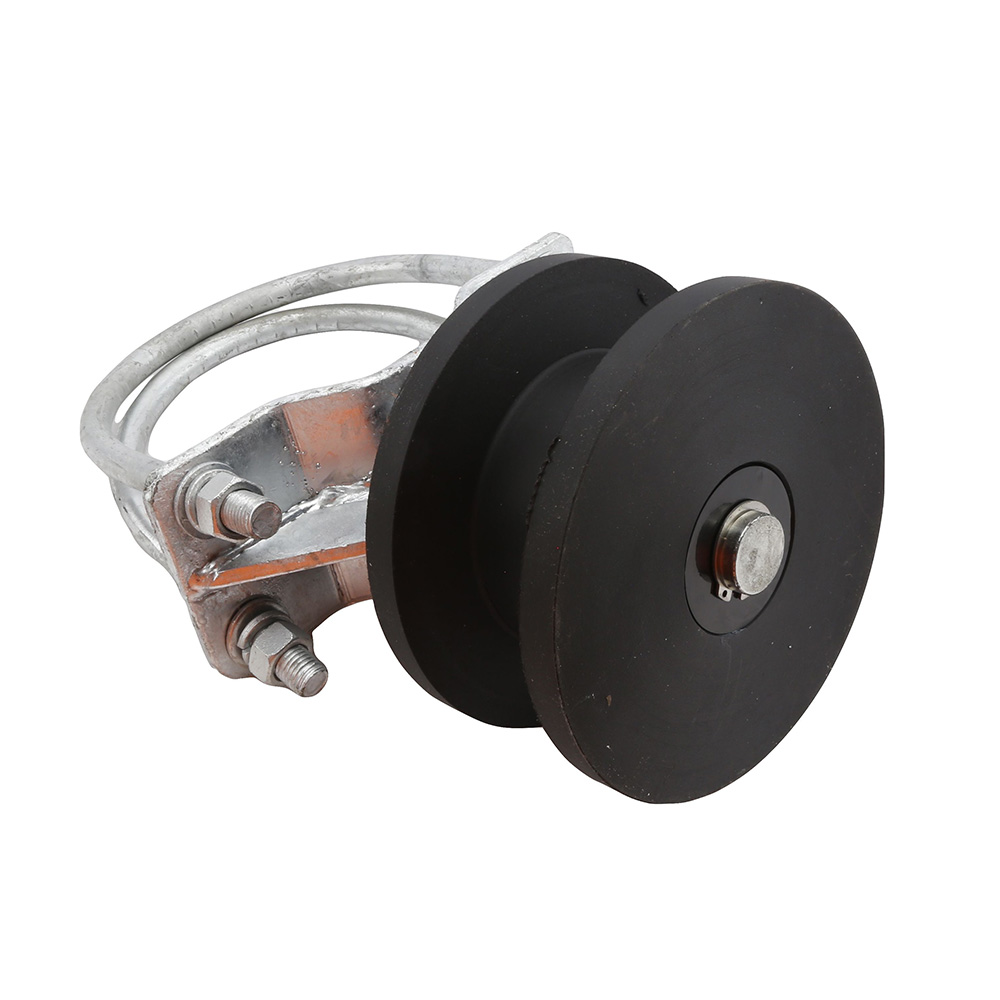
Cantilever rollers mount directly to vertical fence posts and bear the full weight of the gate. They let the gate frame slide laterally without touching the ground, eliminating the need for a ground track and keeping the opening clear of debris, snow, and uneven surfaces.
- Available in nylon and steel versions to match different load and durability requirements
- Sized by post OD and gate frame OD; proper sizing is critical for correct function
- Best suited for driveways, facility entrances, and commercial or industrial cantilever gate setups
What Are Roller Guides?
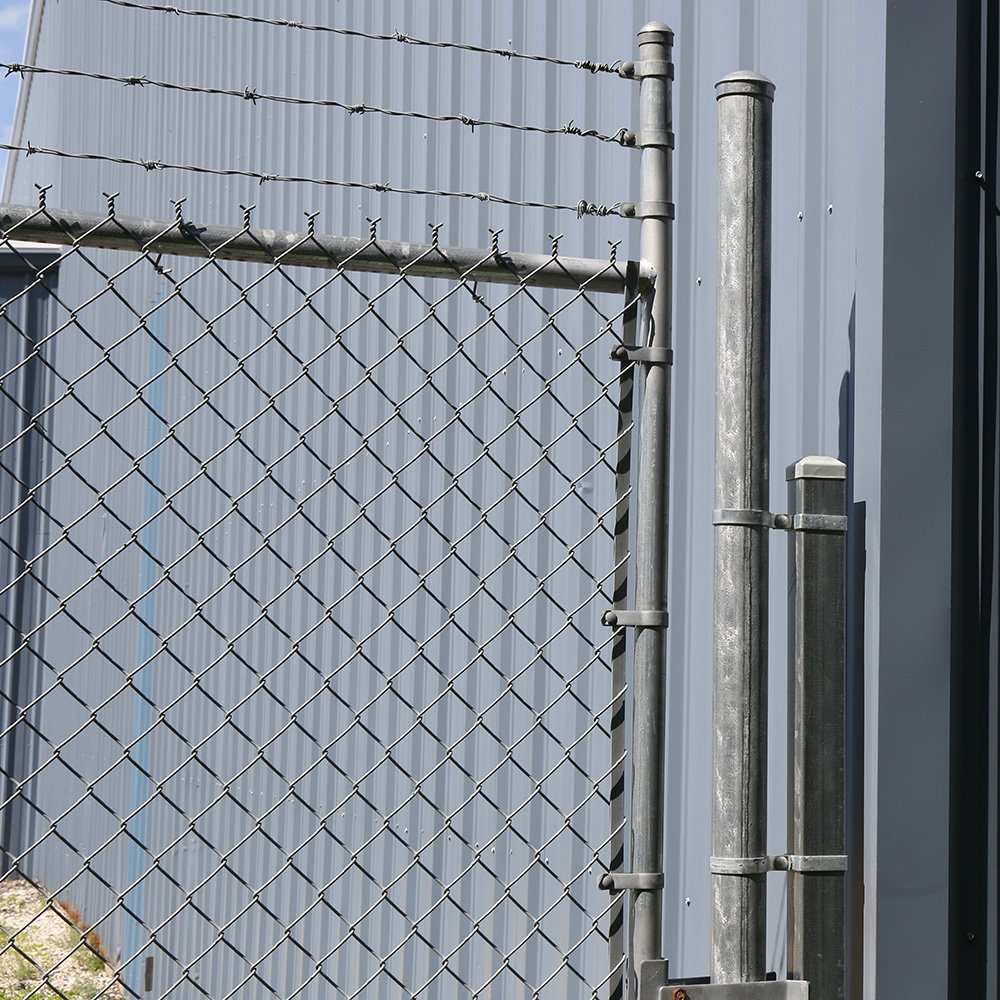
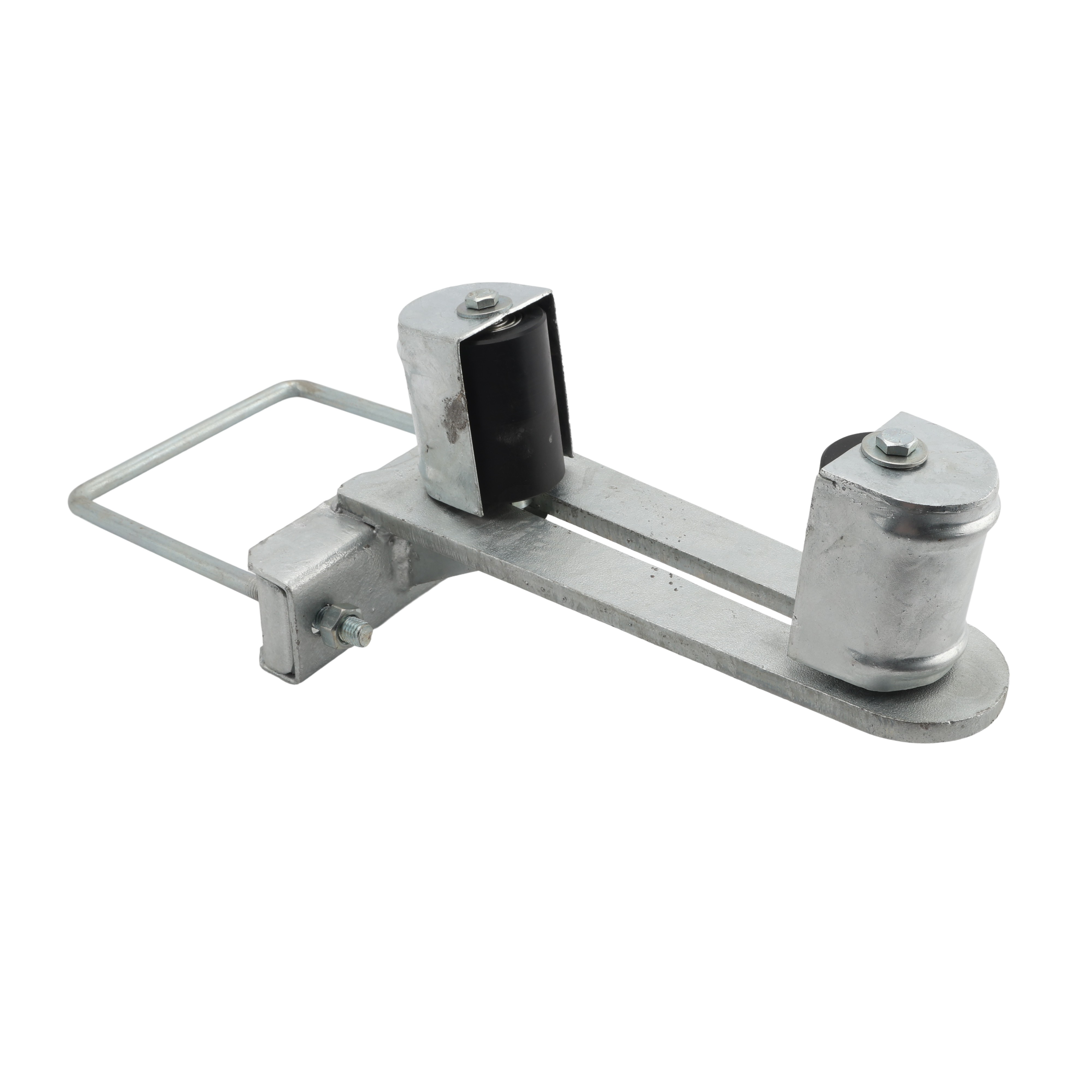
Roller guides are bolt-on brackets that keep a sliding gate tracking straight during operation. They control side-to-side movement, but they do not carry the gate's weight. Roller guides work alongside cantilever rollers as part of the same gate system.
- Hot-dip galvanized steel construction for round and square posts
- Sized for 3", 4", 4" x 4" square, 6" x 6" square, and 6 5/8" round posts
- Easy bolt-on installation with protective covers included
What Are Trolley Assemblies?
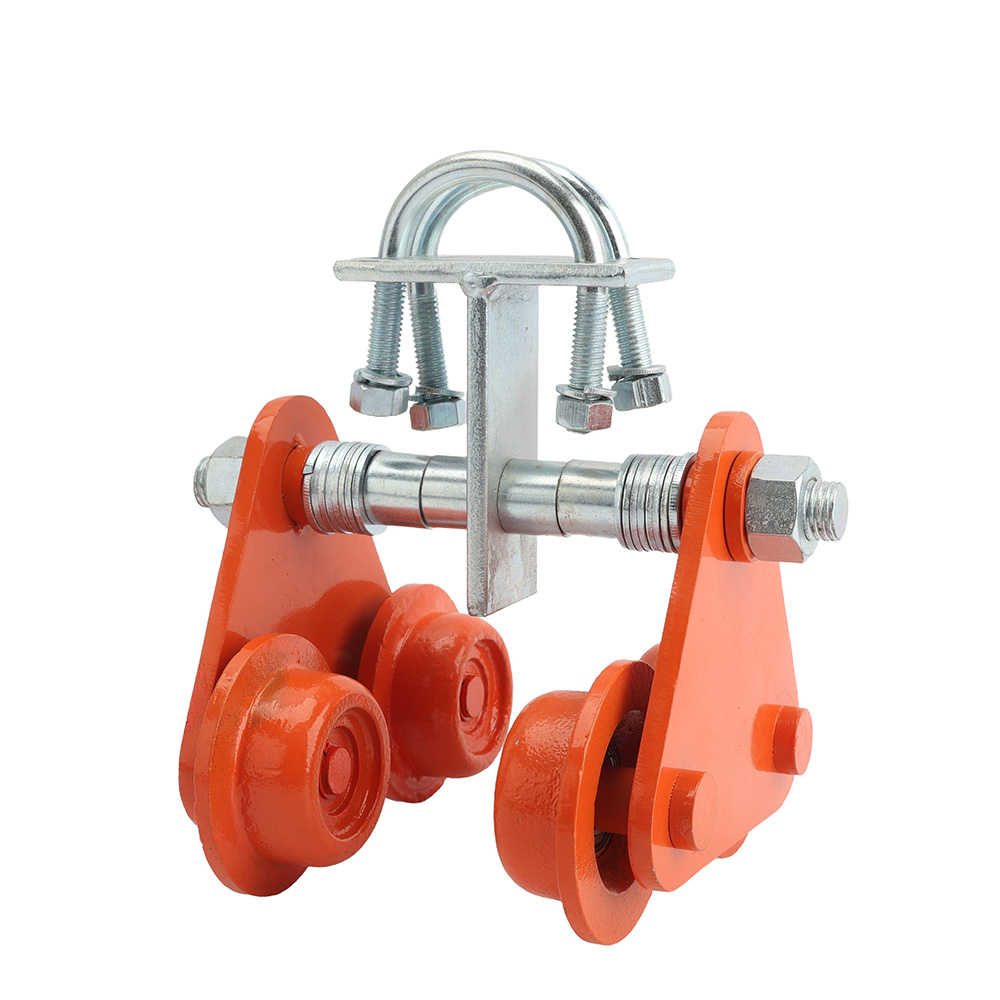
Trolley assemblies are rolling units that attach to the gate and ride along an overhead I-beam. In this system, the gate is suspended from above rather than supported from the ground. This hardware setup is completely different from cantilever hardware and is not interchangeable with it.
- Available in single, double, and heavy-duty double configurations
- Used with overhead beam hanger assemblies, available in 3", 4", and 6 5/8" sizes
- Best suited for warehouses, industrial buildings, and interior sliding gate applications
Key Differences at a Glance
| Feature | Cantilever Rollers | Roller Guides | Trolley Assemblies |
|---|---|---|---|
| System type | Ground-level cantilever | Ground-level cantilever | Overhead I-beam |
| Primary function | Support gate weight | Control lateral tracking | Suspend and roll the gate overhead |
| Mounting location | Vertical fence posts | Side of gate frame, bolted to posts | Top of gate, riding on an I-beam |
| Load bearing | Yes, full gate weight | No | Yes, full gate weight (from above) |
| Typical application | Driveways, commercial entrances, exterior gates | Any sliding gate needing side control | Warehouses, industrial interiors |
| Works with | Roller guides and cantilever post | Cantilever rollers | Beam hanger assemblies |
Keep in mind: cantilever rollers and roller guides are designed to work together, while trolley assemblies belong to a separate overhead system entirely.
How to Choose the Right Hardware for Your Project
- Start with the gate system type. Overhead I-beam setups call for trolley assemblies, while ground-level cantilever systems require rollers and guides.
- Cantilever systems need both components. Rollers carry the weight; guides keep the gate tracking straight. Using one without the other invites alignment problems.
- Trolley systems need matching hangers. Pair your trolley assembly with the correct overhead beam hanger assembly for your post size.
- Size before ordering. For cantilever rollers, match both the post OD and the gate frame OD. For guides and hangers, verify your post dimensions to ensure a proper bolt-on fit.


If you have any further questions, please reach out to our representatives. They are happy to help in any way they can!
Contact Us