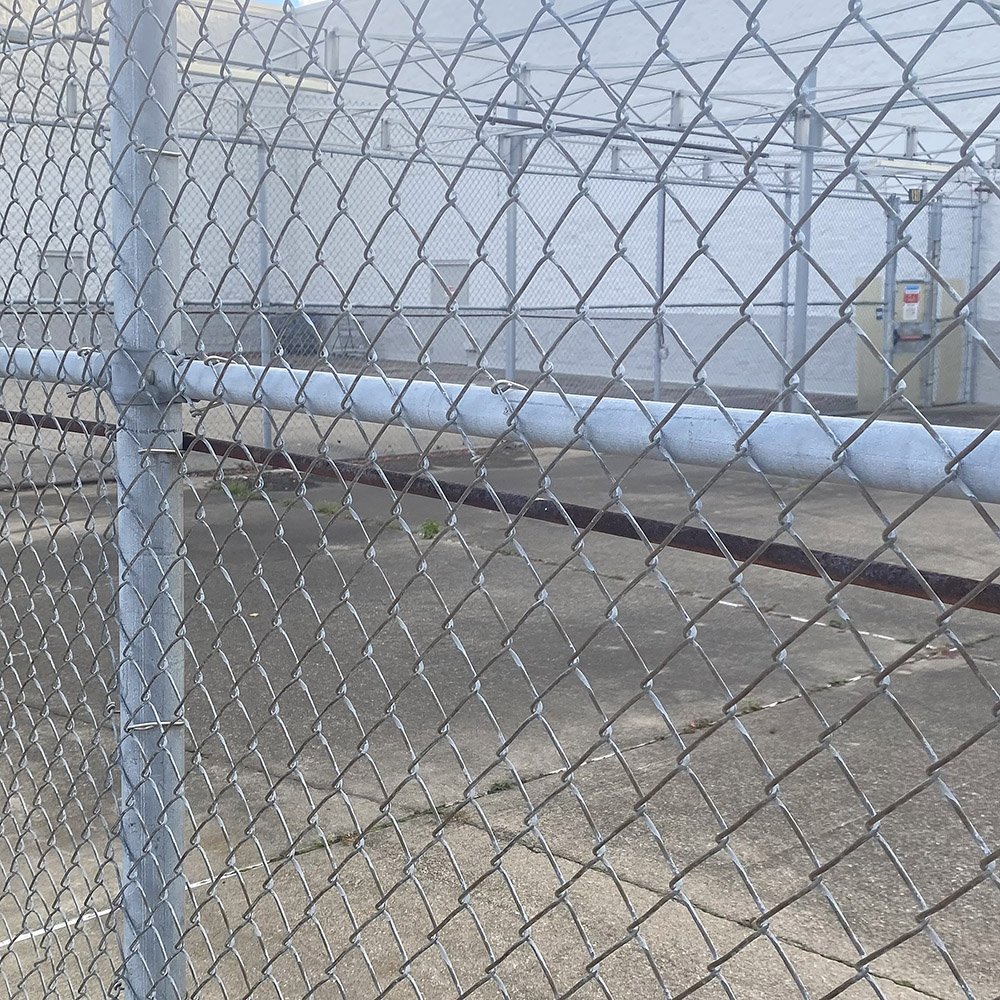


Chain link remains one of the most practical, cost-effective fencing solutions across job types due to a number of factors. It's heavily customizable, easy to install, great for any level of security, easy to manufacture, it's easily maintained, the list goes on and on. For contractors working across residential, commercial, and light industrial projects that want to use Chain Link Fencing, this comprehensive guide covers pricing considerations, gauge selection, parts checklists, gate hardware, and more. Let's take a look at what makes Chain Link Fence so popular among contractors and DIYers.
Fencing Pricing Considerations for Contractors
Before building with Chain Link, there's some things to consider when if comes to how your fence is going to look, how your gates are going to be used, how big it's going to be, and most importantly, how much it's going to cost. There's quite a few factors that determine how much your fence is going to cost, but chiefly among them are a few key variables:
Key Cost Variables
- Fence Height: How tall the overall fence is including any toppers such as barbed wire
- Linear Footage: The total length of your fence across its entire perimeter
- Wire Gauge: How thick the chain link wire is
- Mesh Size: How wide your mesh is between each link
- Coating Type: Galvanized, Uncoated, or Vinyl Coated
- Framework Grade: Light, Standard, and Heavy-Duty
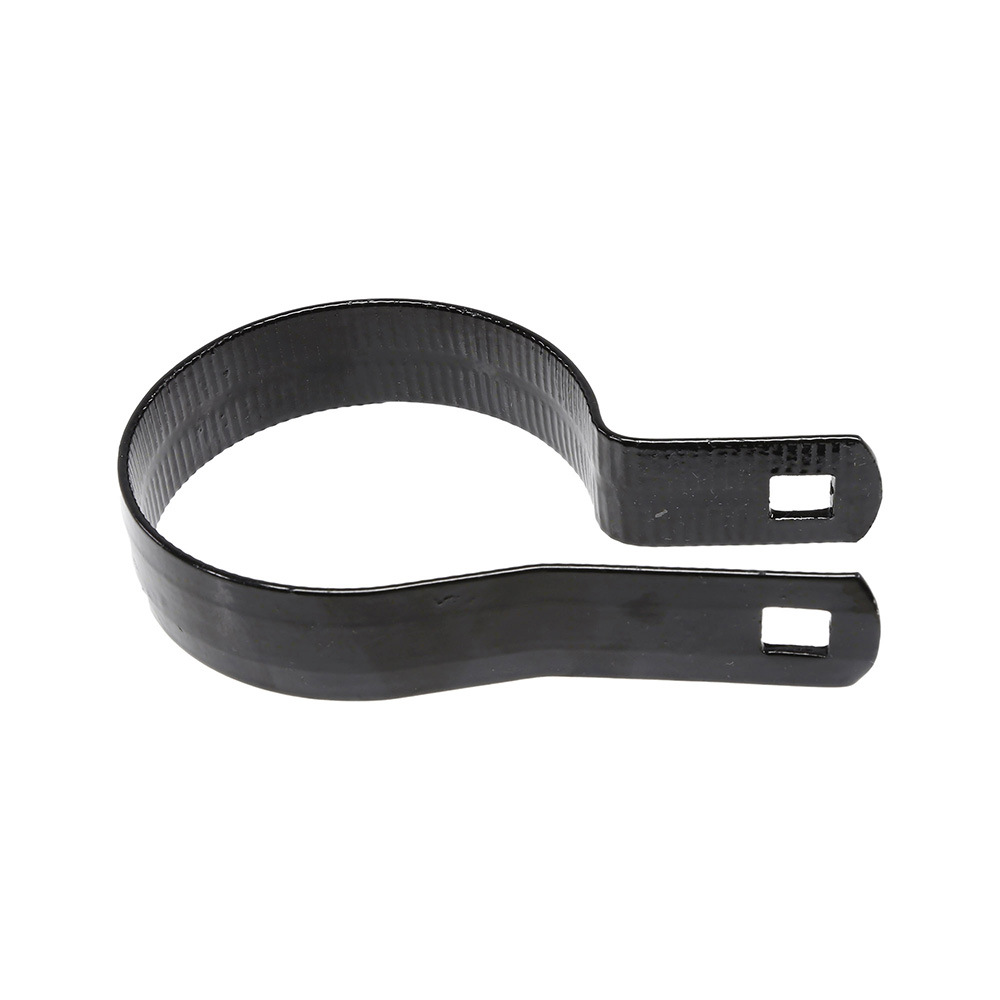
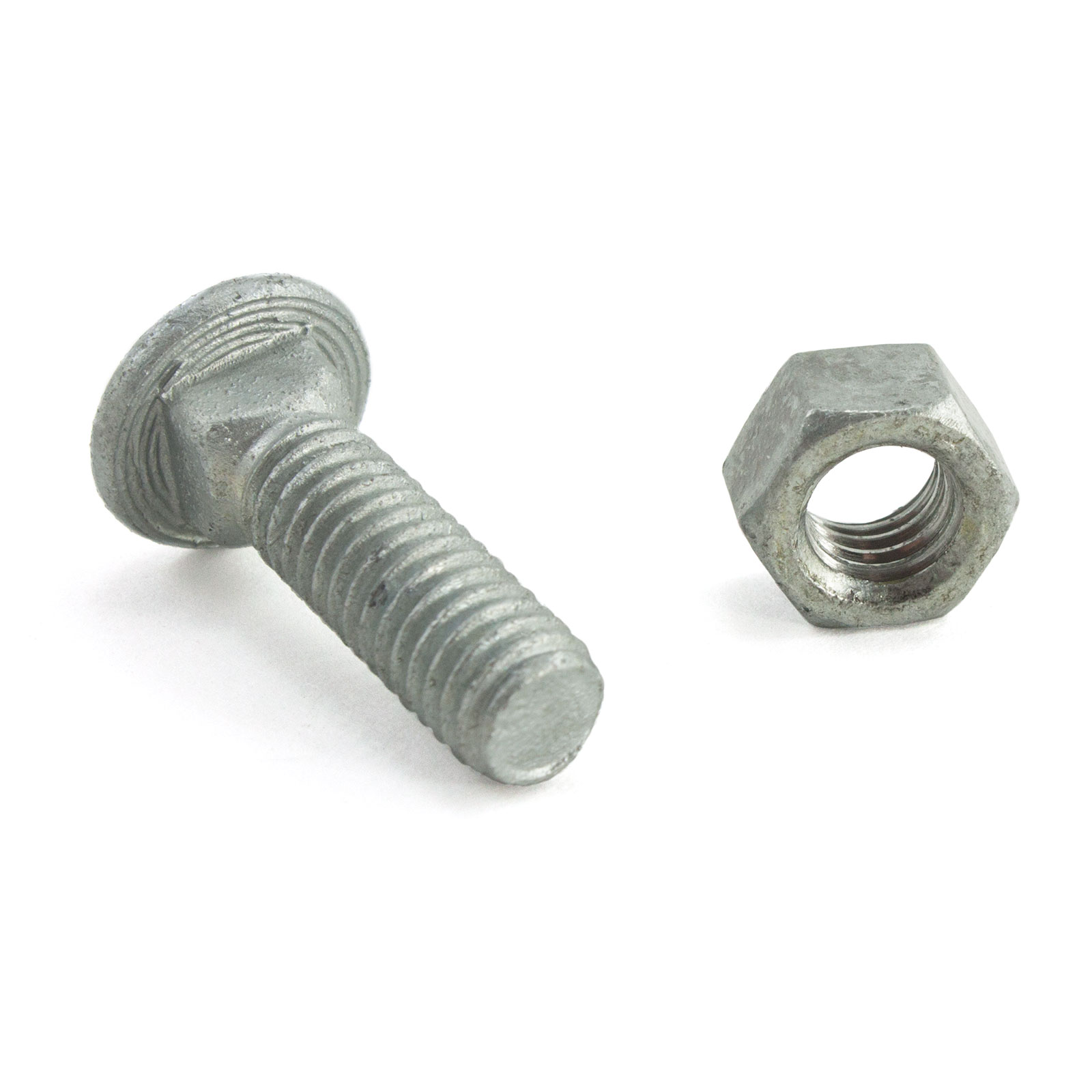
- Gate Hardware: Brace Bands, Tension Bands, Bolts, Pipes, Toppers, Mesh, etc.
Selecting the Right Gauge Fence for Residential and Commercial Customers
Chain link fence gauge can be confusing to understand and difficult to explain to customers, especially why the smaller number gauges would result in a higher cost. Gauge refers to the thickness of a given (typically metal) object such as fence wire, brace bands, tension rods, etc., and it's measured in standardized units rather than just millimeters. The higher the gauge, the thinner the material becomes, so an 11-gauge chain link fence would be weaker and mostly for pets rather than a 6-gauge fence designed for correctional and industrial facilities.
Gauges at a Glance:
- Gauge refers to thickness
- The lower the number the thicker the hardware
- Common fabric gauges: 6, 9, 11, 11.5
- Post and rail pipe specs should correspond with fabric gauge
- Fitting hardware (tension bands, brace bands, etc.) must be sized to match
- Heavier gauges mean longer lifespan in corrosive or high-traffic environments
Residential Applications
- Standard backyard, pet containment, and pool enclosures
- Residential fences typically use 9 to 11.5-gauge wire fabric
- Common coating and color preferences: black and brown vinyl-coated are the most requested
Commercial Applications
- Commercial projects typically use 8 to 9-gauge wire fabric
- Schools, playgrounds, sports courts: when a smaller mesh and vinyl coating are required
High Security and Specialty Applications
- Industrial projects most often use 9-gauge, with 6-gauge for prisons and military facilities
- Mini mesh for detention and evidence storage - aluminized coating for coastal, DOT, and chemical plant environments

| Aluminum Gauges | Standard Steel Gauges | Galvanized Steel Gauges | Application | |
| 6 Gauge | .162" | .1943" | N/A | High-security, Industrial, DOT/Government Facilities |
| 9 Gauge | .114" | .150" | .153" | Residential and Commercial Fencing |
| 11 Gauge | .091" | .12" | .123" | Light Residential, Temporary Fencing |
Gauge and Coating Tradeoffs
Something to consider when working with businesses and homeowners is that gauge choice and material coated affects material costs whether it's a small pet fence or a high-security fence for a correctional facility. It's important to frame the coating conversation around longevity and total cost rather than sticker price as it can be difficult to explain to customers that a thicker gauge fence is necessary for high-security applications or that the extra vinyl coating increases longevity of a fence by several years. There's a few things that you can do to soften the blow to home and business owners when discussing the cost of their new chain link fence:
Tips for Building Better Bids
- Itemize mesh, framework, labor, permits, footings, and gate hardware separately. This isolates the cost of just the fence, making the total cost seem more desirable and affordable.
- Account for concrete, post depth, and local code before quoting. This prevents any frustration about added or unexpected costs in the future.
- Note lead times for custom heights or specialty orders. This gives the customer a realistic timeframe about when their fence will be built as well as establish a dependable and professional persona for your business.
Fencing Parts Checklist
Even the most seasoned contractors forget things when building a chain link fence, and putting a quick checklist together can be crucial to saving time and money as lead times on shipping can be higher depending on the season. For chain link fencing, it's important to remember...
Fence Framework
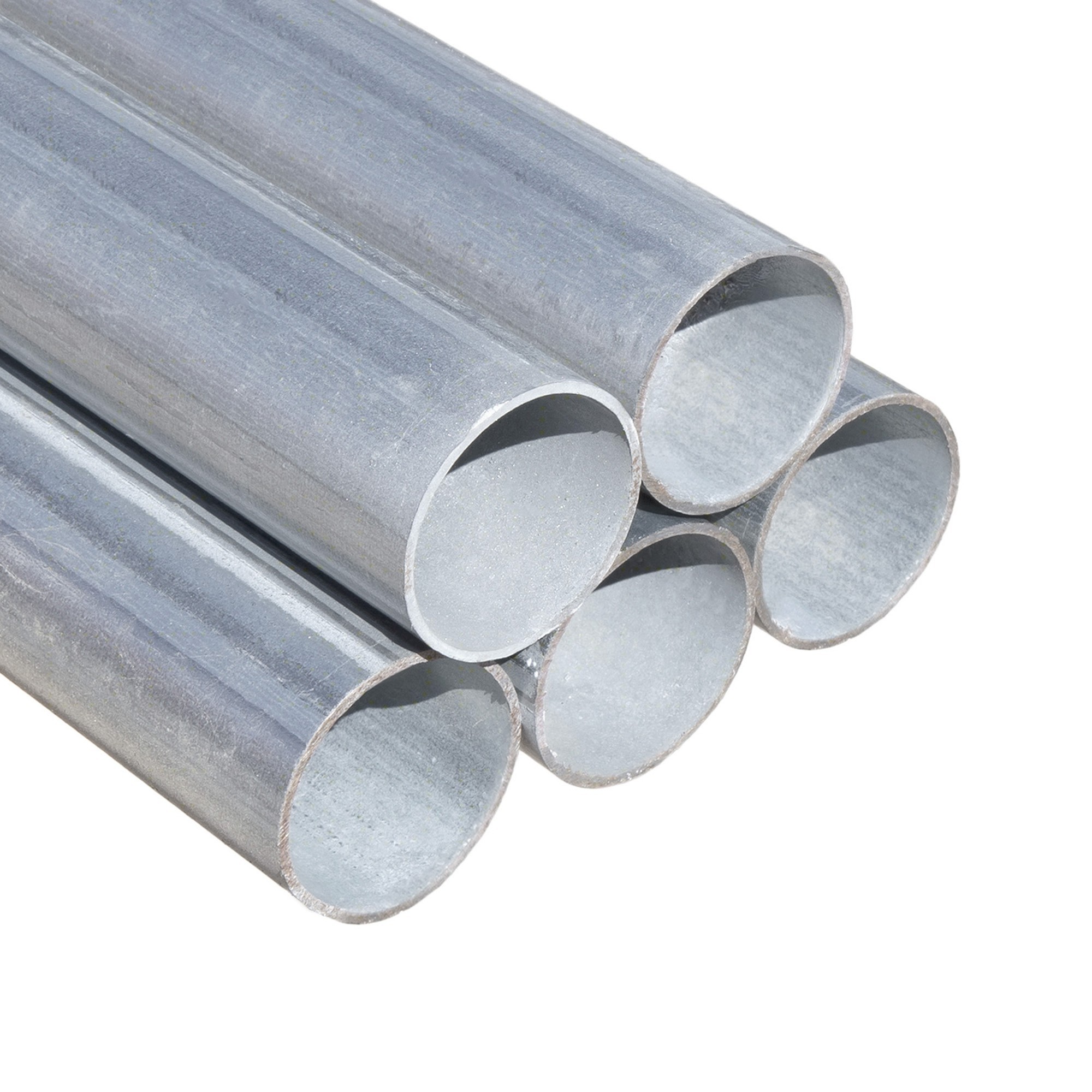
- Line Posts
- Terminal Posts (End, Corner, Gate)
- Top Rail: typically comes in 21-foot lengths; loop caps rest it on line posts
- Bottom Rail
Gates and Gate Hardware
- Gate Frame Tubing
- Male & Female Hinges
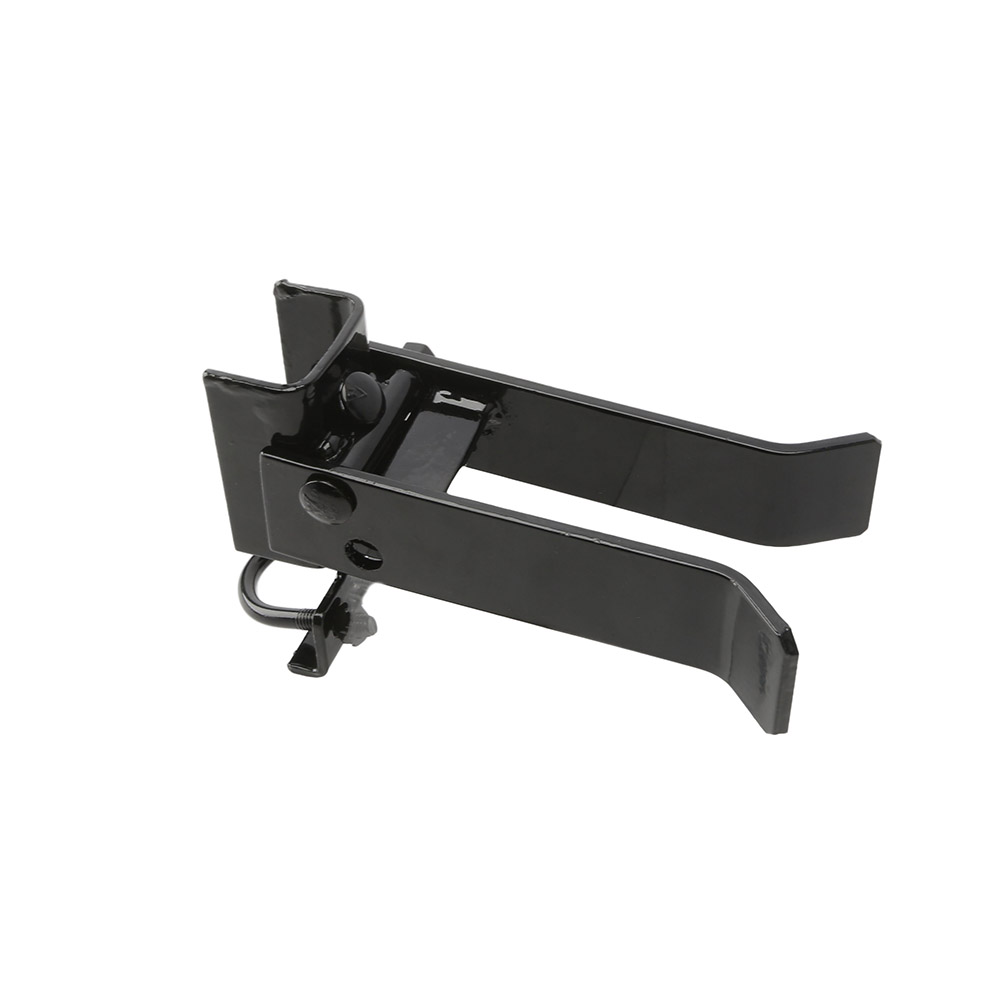
- Fork Latch
- Drop Rod
- Gate Stops
Fence Add-Ons
- Barbed Wire Arms (3-strand or 6-strand)
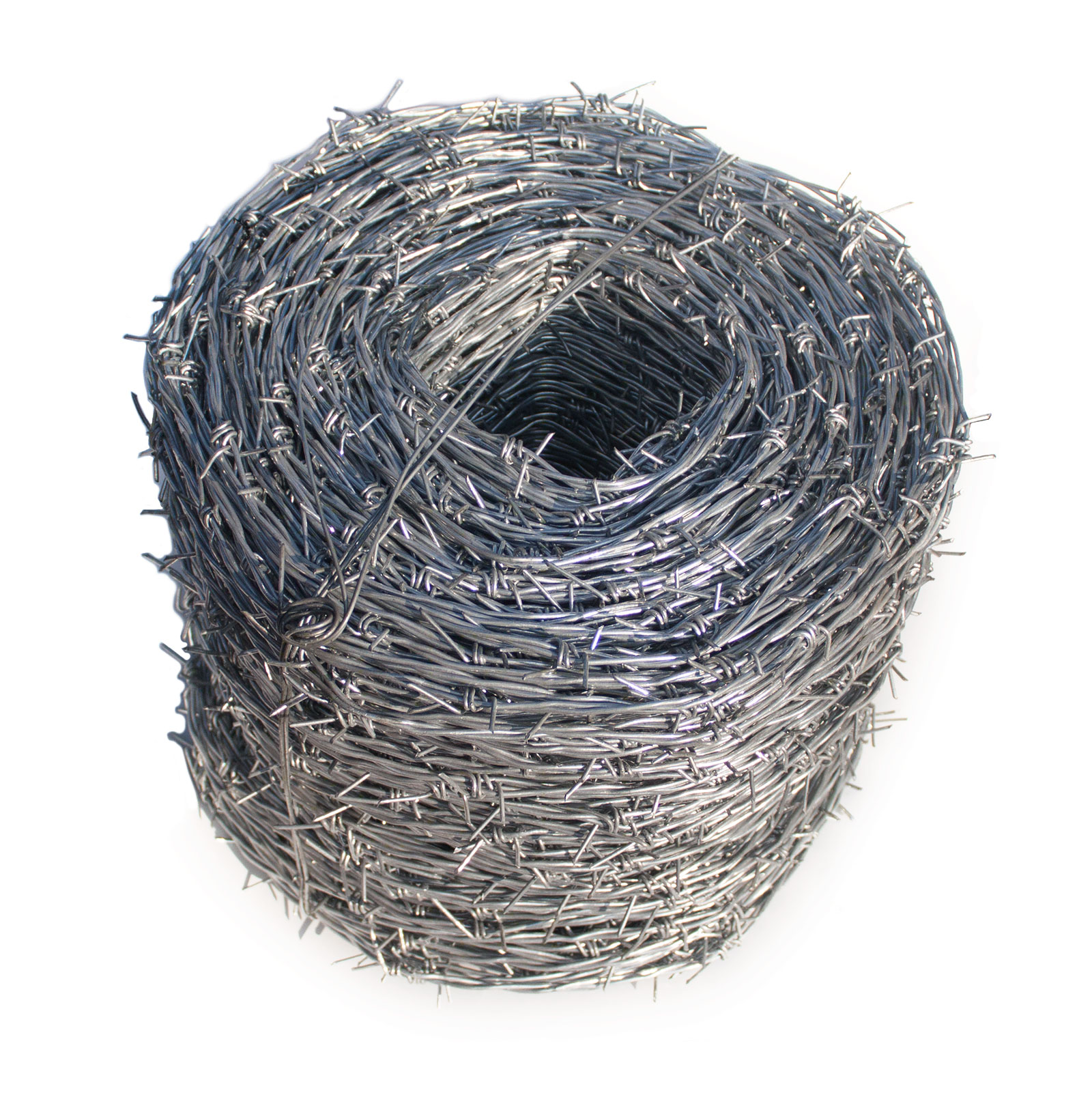
- Barbed Wire (3-strand or 6-strand)
- Privacy slats: Standard (~75% coverage) and Winged (~95% coverage)
- Privacy Screening and Windscreen fabric
Chain Link Fence Gates: Everything a Contractor Needs to Know
With every fence comes at least one gate, and gates can be a little tricky depending on the needs and overall budget of home and business owners. There's numerous different kinds of gates, but the two most common are swing gates and slide gates in both single and double gate variants. A swing gate can open from 90° all the way up to 180° swinging inwards or outwards.
Slide Gates (and Cantilever Gates) are popular for commercial and industrial areas due to their added security benefits as well as the amount of space they save. Because the gate slides into itself, additional clearance for the gate door isn't needed, thus creating additional space for more vehicles or storage. For both slide or swing gates, they can largely be used interchangeably and it's up to the client for what they want to use. Most of what is required, outside of hardware, is some basic sizing needs.
Gate Post Sizing
- Walk gates and smaller double gate openings: 2-7/8" diameter gate post
- Double gates wider than 10 ft: 4" diameter gate post
- Widest openings: 6-5/8" or 8-5/8" wall posts
Chain Link Walk/Single Swing Gate
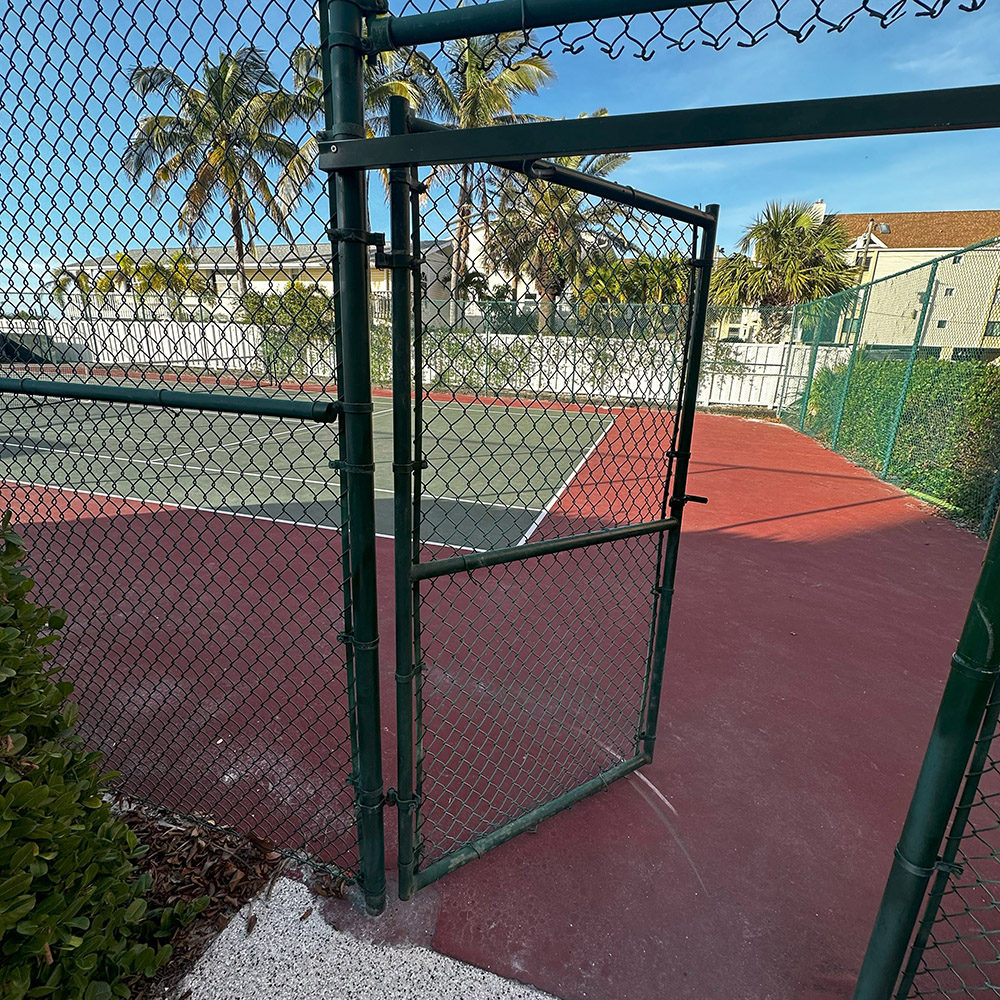
- Common widths: 3, 4, 5, and 6 ft
- One terminal post acts as the hinge post, the other acts as the latching post
- Standard hardware: male and female hinges, fork latch
Chain Link Dual Swing Gate
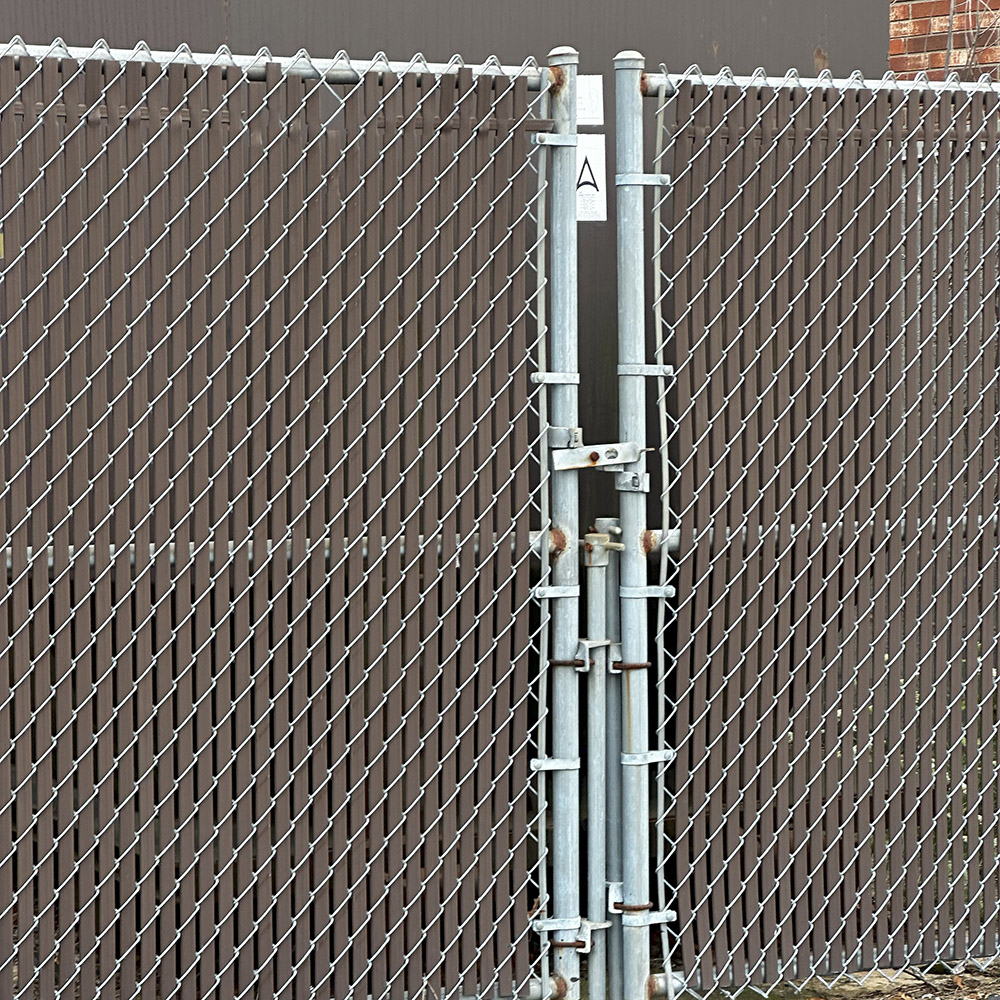
- Required for openings wider than 6 ft
- Both terminal posts act as hinge posts; drop rod holds one leaf stationary
- Commercial double gates can span up to 30 ft
Chain Link Cantilever Gate
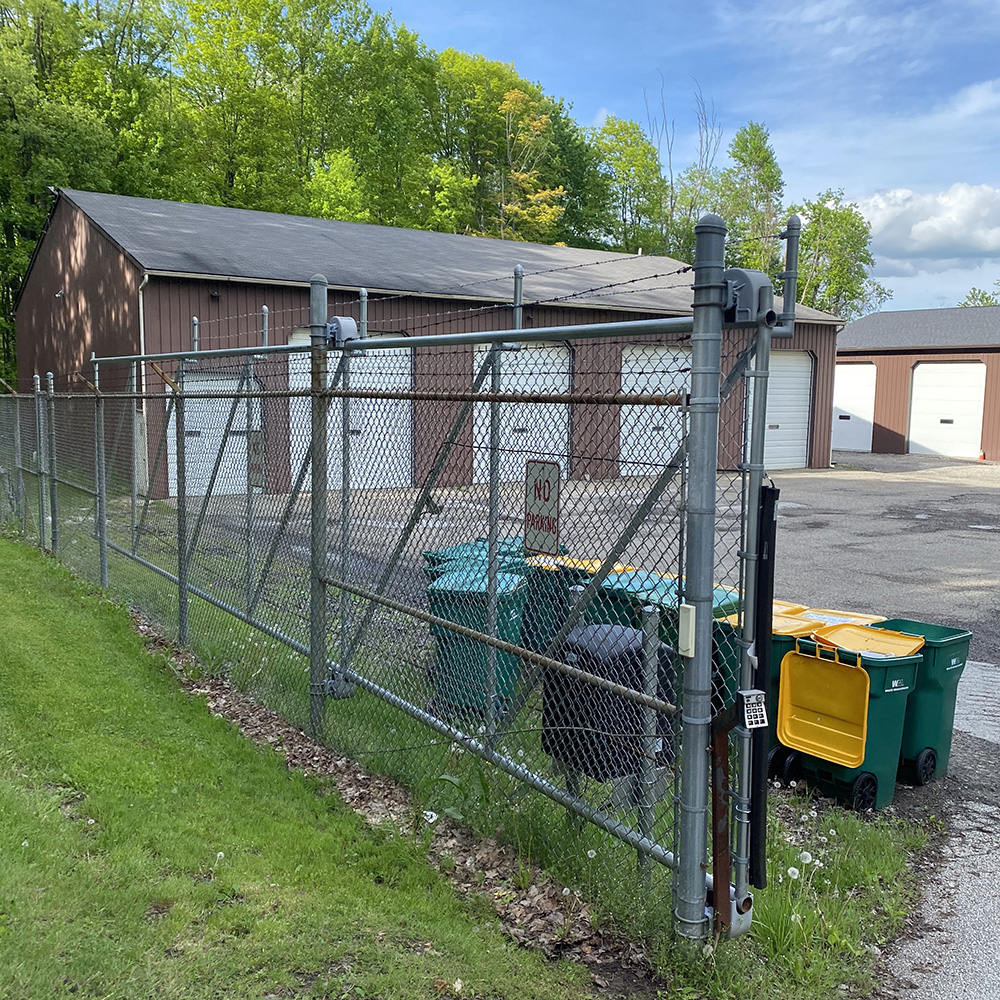
- Best when swing space is limited or the span is large
- Must be 1.5x the width of the opening for counterbalance
- Common in industrial and commercial applications